What it does
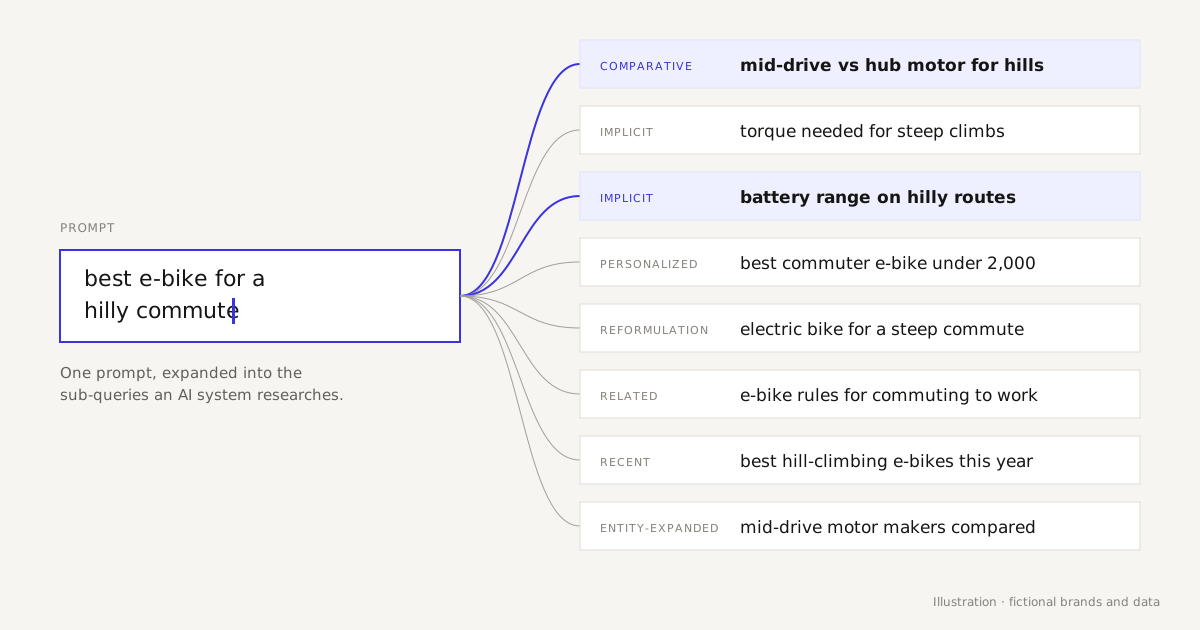
Query Fan-Out Generator produces the sub-queries an AI search system is likely to expand a prompt into, grouped by type, so I can plan the content a page needs to cover.
The problem
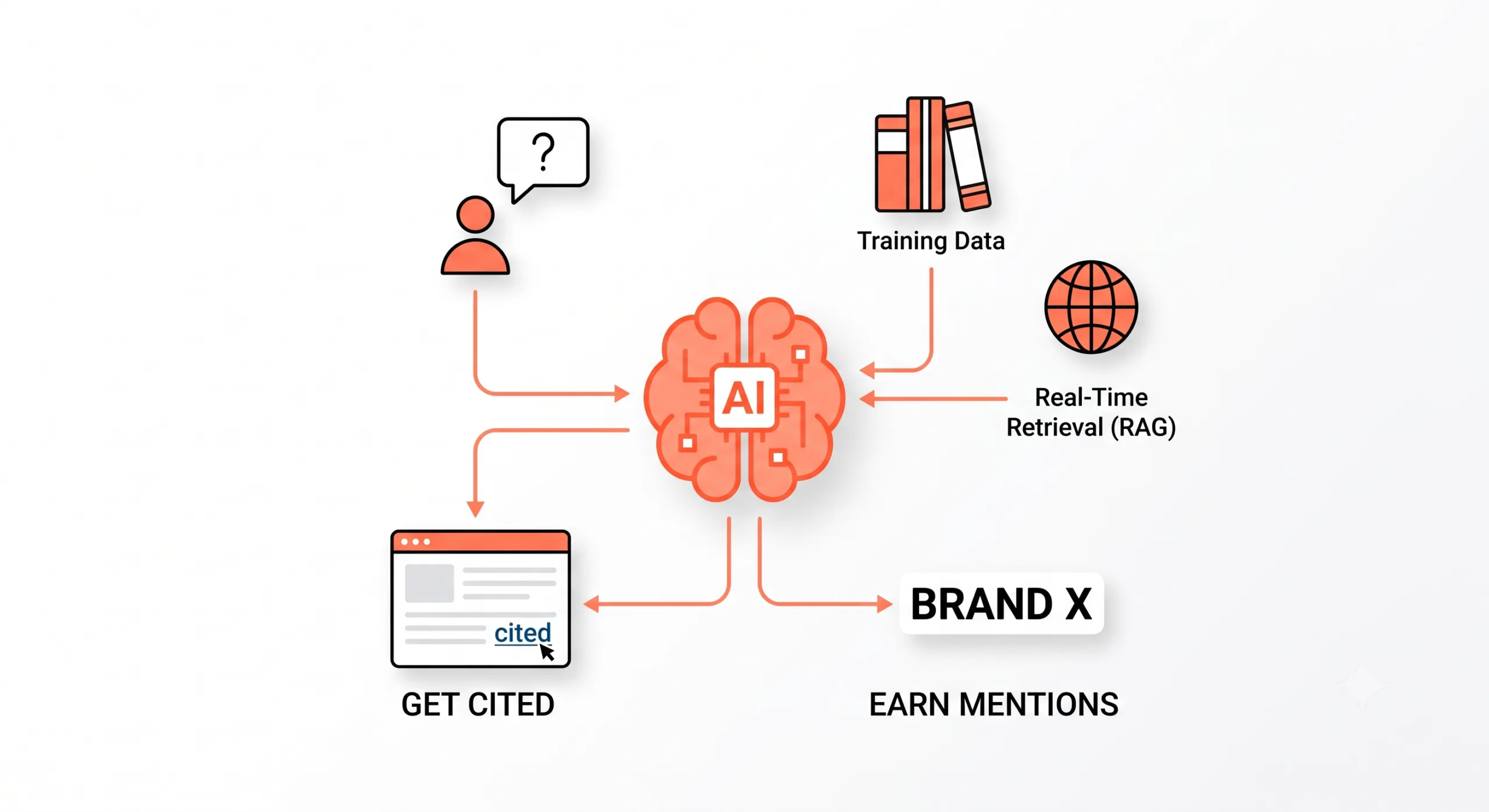
When an AI search system answers a question, it often doesn't search for the question alone. It breaks the prompt into related sub-queries, researches each one, and builds the answer from what it finds. Google has described this approach, called query fan-out, for AI Mode.
That changes content planning. A page that answers only the head query can miss the comparisons, specs, prices and how-to questions the answer is assembled from. Keyword tools show search volume, but they don't show this expansion.
How it works
I enter a seed keyword or prompt: whatever someone would plausibly type into an AI search box. The tool models the sub-queries an answer engine would derive from it, using seven categories: reformulation, related, implicit, comparative, recent, personalized and entity-expanded. Working through each category on purpose keeps the list from collapsing into the obvious rephrasings.
The sub-queries come from up to three sources, each tagged in the output. Claude reasons through the seven categories every time. With a Gemini API key, two more sources join in: Gemini's own categorised guess, and the actual searches Gemini runs on Google Search while grounding an answer to the seed. When several sources surface the same sub-query, that agreement is a stronger signal than any one of them alone.
Each sub-query is tagged with search intent, priority, a content angle (what a page would need to say to satisfy it) and citation readiness. The result is an Excel sheet I use as a content brief: each group becomes a section or a supporting page, and the list doubles as a test set for checking AI visibility later.
The output is an informed estimate, not a copy of any system's internal process. No AI platform publishes the exact sub-queries it runs, and Gemini's live searches show how Gemini retrieves, not Google AI Mode. Citation readiness is a judgment call rather than a measured score, and the tool doesn't estimate keyword difficulty, which needs a backlink index.