Why it matters
Without a strategy, SEO teams end up working through a queue of requests. Every ticket looks reasonable, but nobody can say which ones grow the business, and quarter after quarter the same structural problems stay in place. A strategy is the short document that says what we're doing, what we're not doing, and why.
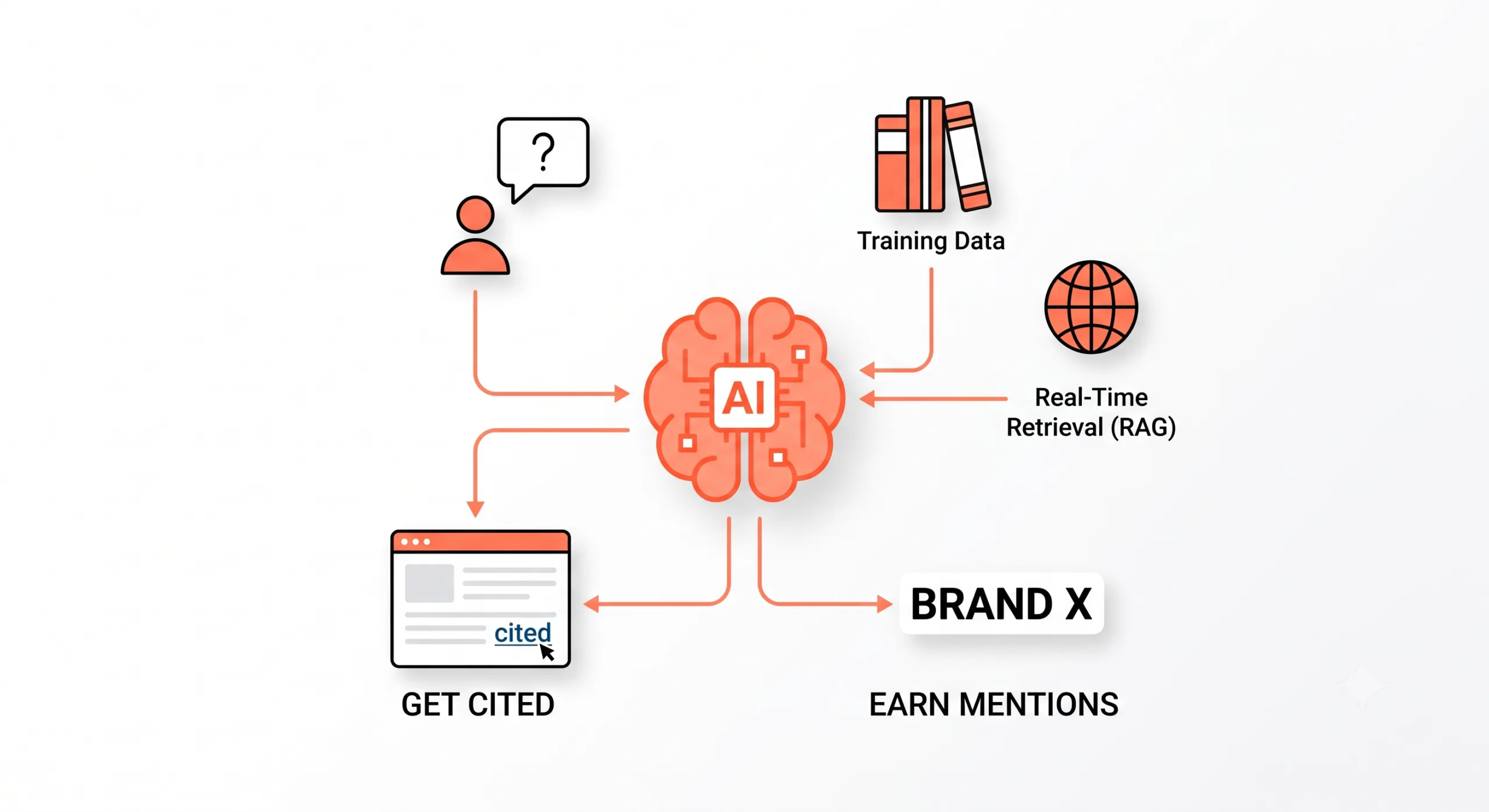
Two things make strategy harder than it used to be. The first is scale: a business in several markets and languages has to decide what is shared and what is local, and those decisions affect URLs, hreflang, content production and team structure for years. The second is AI search. When an AI answer summarises a topic, the click may never come, and the brand's visibility depends on being named and cited, sometimes on pages the brand doesn't own. A strategy now has to plan for both: pages that rank and get clicked, and a presence that AI systems can find and describe correctly.
Good strategy also protects the team's time. It gives a clear reason to say no, and a shared view with product, engineering and content teams of what organic growth needs from them.
How I approach it
Start from the business model
I map which page types and journeys produce revenue or sign-ups, and how much organic search already contributes to each. Strategy follows the money first and the traffic second.
Map demand by intent
Keyword research grouped by intent rather than by volume: what people want to know, compare or do at each stage. For AI search I add the sub-questions a prompt expands into, so pages cover the follow-ups an answer would need.
Size the opportunity
For each cluster, an estimate of the traffic and value a realistic position would bring, set against the effort to get there. The estimates are rough on purpose. Their job is to rank options, not to forecast to the decimal.
Choose page types and owners
Each priority becomes a page type or a content programme with a clear owner. That is where strategy turns into something product and content teams can plan around.
Set rules for markets and languages
For international sites: which content is central and which is local, how URLs and hreflang work, and how markets request changes. Written once, these rules save hundreds of small decisions later.
Turn it into a roadmap and OKRs
A quarterly roadmap with objectives tied to business results, key results the team can influence, and the dependencies on other teams named up front.
Review and adjust
A monthly look at what moved and what didn’t. Search changes quickly, and a strategy that never changes stops being one.
What good looks like
The strategy fits on one or two pages and names what is out of scope.
Every priority links to a business metric, not only to traffic.
Topics are grouped by intent and mapped to page types.
AI search is part of the plan: priority prompts, the sources that get cited for them, and the brand facts AI systems should get right.
International rules for URLs, hreflang and local content are documented.
The roadmap has quarters, owners and named dependencies on other teams.
Measurement covers clicks, conversions and AI visibility, reviewed monthly.
Common mistakes
Treating a keyword list as a strategy
A spreadsheet of keywords says what people search for. It doesn’t say which of those searches the business should win, or how.
Copying one plan to every market
Markets differ in demand, competition and language. Shared templates work well, shared priorities often don’t.
Prioritising by search volume alone
High-volume topics are often the least likely to convert and the most likely to be answered directly by AI. Intent and value matter more.
Running GEO as a separate project
AI visibility depends on the same pages, data and brand signals as SEO. Splitting them creates two teams working on one problem.
Writing an annual plan and never revisiting it
A yearly plan is useful for budget. Execution needs a quarterly roadmap and a monthly review.
In practice
At TUI Future Markets I set up international SEO governance across 5 markets, including the hreflang strategy, country and language targeting, and how content was prioritised across markets. At Uniplaces I led organic growth across 14 countries and 9 languages, where most of the gains came from site architecture and indexation decisions made once and applied everywhere. At FLOYT Mobility I ran SEO and organic growth across two international brands with OKRs and quarterly roadmaps.
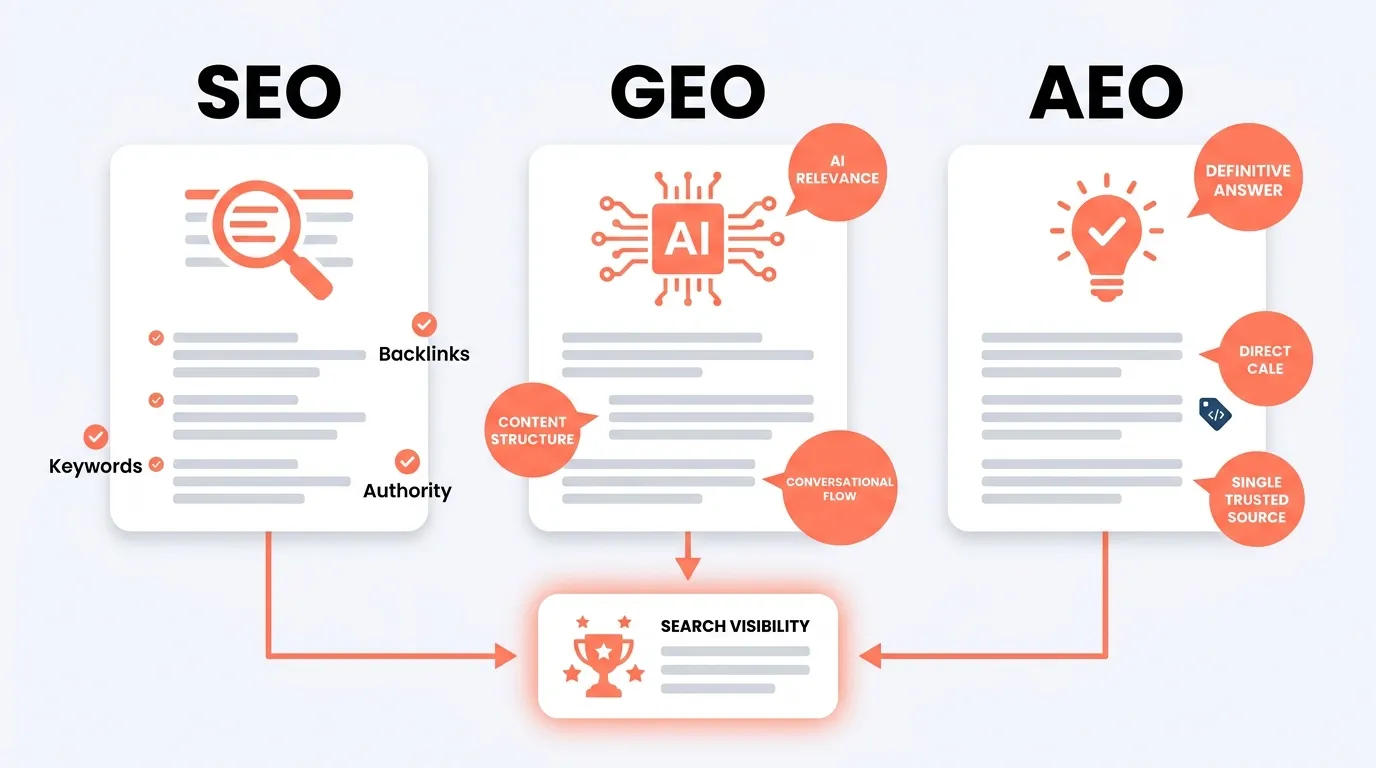
For mapping AI sub-queries I built the Query Fan-Out Generator. The difference between SEO, GEO and AEO is covered in SEO vs. GEO vs. AEO. The full role history is on the About page.
Frequently asked
What is the difference between an SEO strategy and a GEO strategy?
An SEO strategy focuses on pages that rank and earn clicks. A GEO strategy focuses on how AI systems retrieve, summarise and describe the brand, including on sites the brand doesn’t own. In practice I write one strategy that covers both, because they share the same pages, data and signals.
How do you measure progress in AI search?
With a fixed set of priority prompts, run on a schedule across the main AI systems. For each prompt I record whether the brand is named, whether it is cited, and which sources appear. Read over time, that shows direction even though single answers vary.
Should international content be central or local?
Usually both. Templates, structured data and technical rules work best centrally. Topic choice, examples and wording often need to be local. The governance rules decide which is which so markets don’t have to negotiate every page.
How often should the strategy change?
The direction should hold for a year or more. Priorities and the roadmap should be reviewed every quarter, and results every month.